
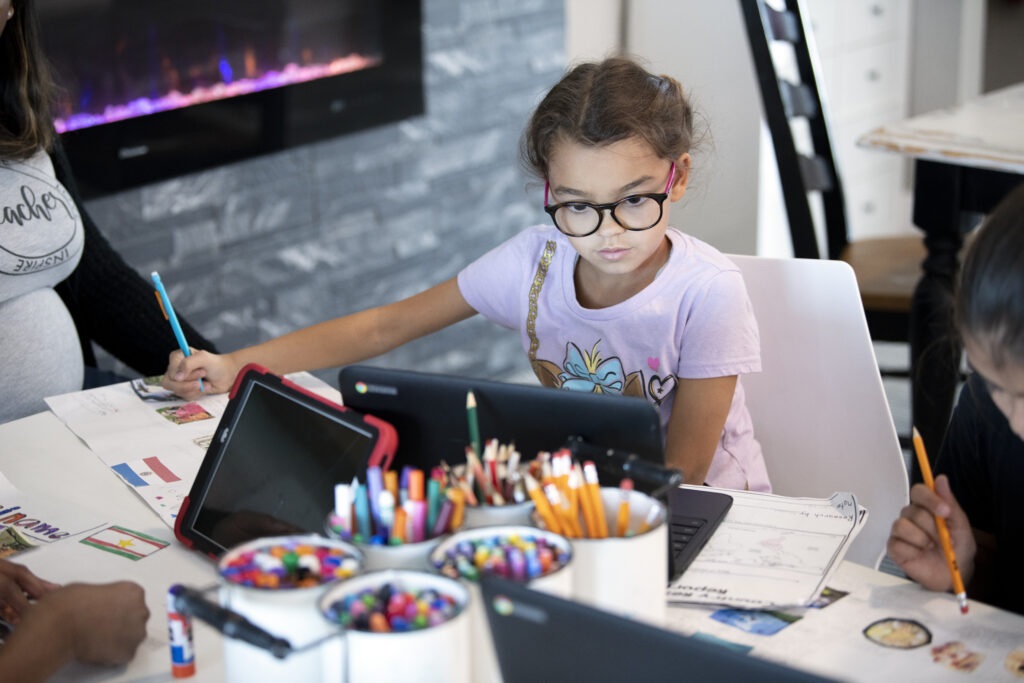
Education must prepare young minds for life. Knowledge alone does not solve problems. Students need deeper skills for the real world. Critical thinking helps them make better choices. It allows them to analyze situations and act wisely. So classrooms must teach more than facts. Then learners see knowledge applied in practice. Therefore project-based learning becomes a strong path. This method links research analysis and application. It builds confidence while shaping practical thinking. Students discover meaning and growth in every project.
The Role of Hands-On Experiences
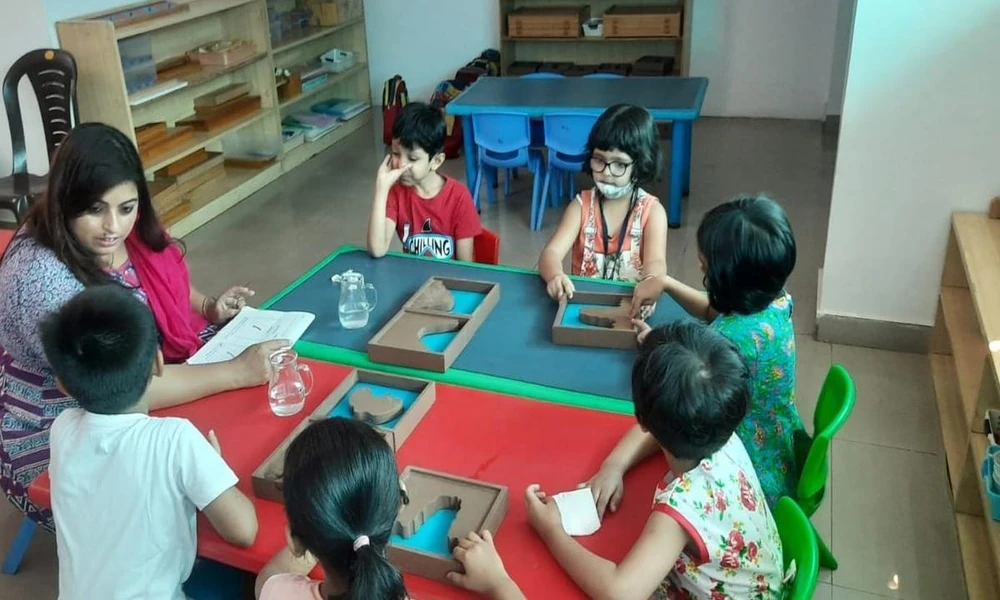
Hands-on work brings theory to life. A project demands action from the learner. Students build models and test real ideas. The process reveals results before their eyes. So knowledge becomes a tool for action. Then learning feels real and useful each day. Therefore hands-on practice becomes a skill builder. Students see how effort creates outcomes. The results feel powerful and clear in mind. A student learns problem solving through active tasks. This method shapes habits of deeper thinking.
The Strength of Problem-Solving Tasks
Problem-solving sits at the core of growth. A project gives challenges to face. A learner must explore possible solutions fast. The journey trains them to think sharply. So the student tests and revises often. Then new ideas appear with constant practice. Every task gives a chance to adapt. Students discover many paths to one solution. This shows how to promote critical thinking in the classroom in real and practical ways. This builds confidence that grows with every success.
The Value of Interdisciplinary Projects
Projects bring subjects together in one frame. A task may mix science with art. Students connect knowledge from different domains. The work shows unity of learning fields. So an idea gains many creative directions. Then learners see how disciplines build together. The process makes education wide and flexible. It helps students see links in daily life. This method keeps curiosity fresh and alive.
The Step of Analysis and Reflection
Analysis makes sense of project results. A student studies outcomes with careful thought. They compare ideas and note clear patterns. The process makes results useful and strong. So knowledge becomes more than random facts. Then the student reflects on choices made. Each step becomes a memory for the future. The cycle of thought builds stronger understanding daily. Students carry this habit into real challenges.
Building Thinkers for the Future
Project-based learning shapes future thinkers with care. It builds habits of research and action. Students learn to question and to create. They also learn to test and reflect. So each project becomes a journey of growth. Then critical thinking becomes part of daily life. Therefore this method transforms education into opportunity. The student carries skills beyond the classroom door. These skills shine in careers and personal goals. Learning becomes practical meaningful and lifelong. The future belongs to thoughtful and capable minds.